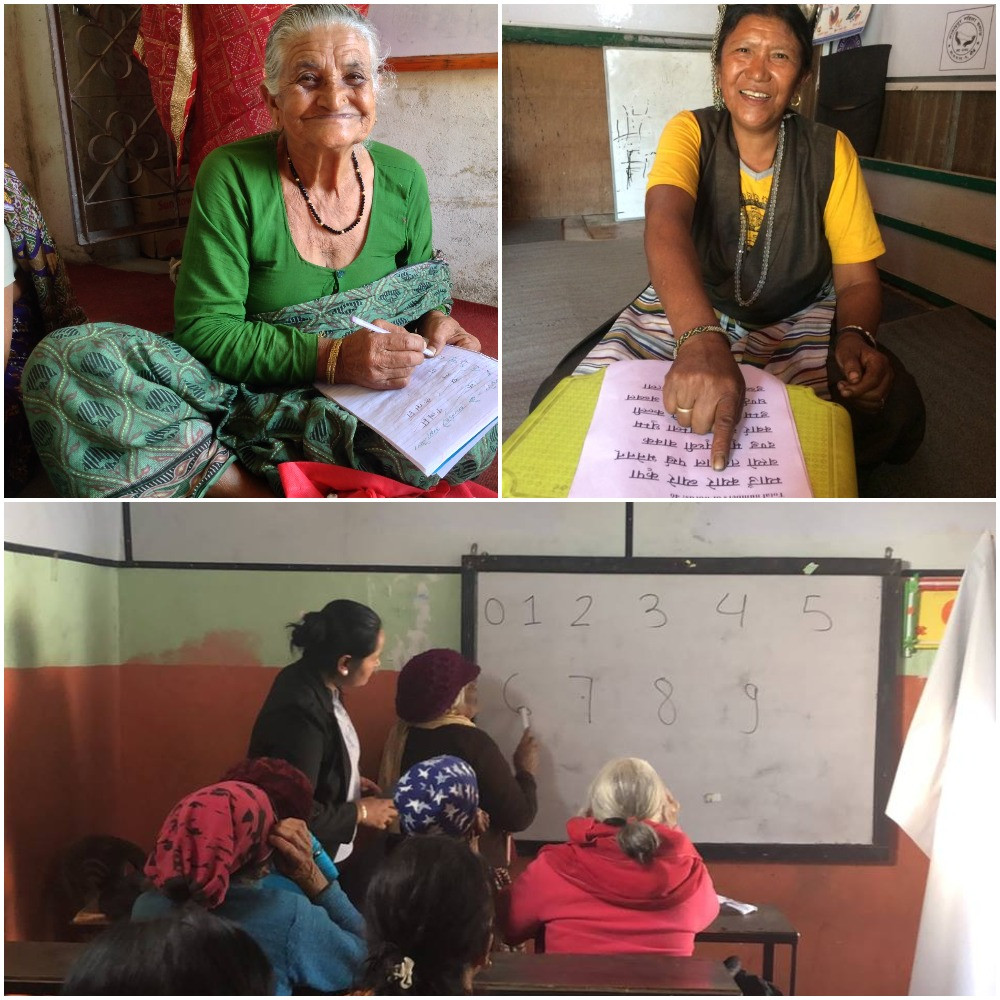
In Nepal, family members are traditionally the primary caregivers, and older people remain highly dependent on them even when they do not have major health issues. Many older persons require reminders to take medicine, drink water, take bath, or maintain personal hygiene. When they fall sick and visit health facilities, they often do not understand the doctor’s instructions, and tend to redirect any health-related questions to their sons or daughters-in-law. This practice is still exists today.

But migration of young people and the shift from joint to
nuclear family structures have left many older persons in vulnerable health
conditions. Older persons who once felt secure believing that their children,
especially sons would care for them in old age, are now facing risks of health
complications and economic insecurity.
In this context, Ageing Nepal, with support from HelpAge
International, initiated a pioneering project titled “Strengthening the
Capacity of Older People and Their Concerned Stakeholders for Healthy and
Active Ageing.” Under the project, 92 champions from 14 Senior Citizens Day
Care Centers were trained. These day care centers are community spaces where
older persons gather and spend their day in social activities.
Champions of different age groups were trained on self-care practices, including nutrition, hygiene, physical activity, mental well-being, disease prevention, elder abuse, and more. Each trained champion then shared their learning with their respective groups. As each group includes over 50 older persons, approximately 800 older persons benefitted from the program. Previously, most activities in these centers were limited to sitting, chatting, and religious practices. Now, older persons exercise together, discuss healthy diets, monitor water intake, and exchange health tips as part of their daily routine.

Additionally, Female Community Health Volunteers (FCHVs) and
community nurses were trained, many for the first time, on the specific health
needs of older persons. These trained health workers now conduct monthly health
screenings in the day care centers. They monitor blood pressure, weight, and
blood sugar levels, provide health counselling, maintain health records, and
refer cases to health posts when needed.
In Nepal, regular health check-ups among older persons are uncommon; they typically seek medical care only after symptoms appear. This initiative has increased awareness and encouraged preventive health behaviour. Many older people are now more conscious of their health and have been able to identify and manage health conditions early, preventing them from becoming severe.
 To ensure continuity beyond the project period, we advocated
with local government bodies. We conducted orientation sessions on ageing
issues for the local government. We convinced them and follow-up with older
persons, FCHVs, and community nurses. As a result, all participating wards have
now committed to continue the monthly health screening program using their own
resources. Ageing Nepal provided brief technical facilitation during the
transition phase.
To ensure continuity beyond the project period, we advocated
with local government bodies. We conducted orientation sessions on ageing
issues for the local government. We convinced them and follow-up with older
persons, FCHVs, and community nurses. As a result, all participating wards have
now committed to continue the monthly health screening program using their own
resources. Ageing Nepal provided brief technical facilitation during the
transition phase.
“I had been suffering from pain in my
arms and shoulders. I was wondering where to go and which doctor to consult for
the treatment. When I joined this organisation and started exercising, after a
week, I was completely relieved from the pain. That’s why I like the exercises
we practiced here. I do it even at home. I used to visit doctor frequently, but
not anymore. This kind of activity should be carried out continuously for older
people”-74, older woman.
When I had my blood pressure and
diabetes checked in the center, the community nurse insisted that I should not
come here before visiting a doctor. Then, I went to see a doctor. But they said
my treatment would be delayed by a month. Fearing that I would not receive
treatment on time, I decided to go to India. Doctor performed pancreatic
surgery. The health screening programme
helped me diagnose my disease and saved my life. - 71, older woman